

TYPES OF CAFFEINE FOR WEIGHT LOSS
Not all caffeine sources hit the body the same way. This guide maps out every major type of caffeine for weight loss, the evidence behind each, and how to choose the right form for your goals.

You already know caffeine works. The research is clear: it raises resting energy expenditure, promotes fat oxidation, and blunts appetite. What most people miss is that the source of caffeine matters, not just the dose.
Green tea delivers caffeine alongside catechins that independently target fat metabolism. Guarana releases caffeine more slowly than coffee. Caffeine anhydrous in a supplement hits fast and predictably. Each form has a different absorption profile, a different co-factor load, and a different practical use case.
This post breaks down every major type of caffeine for weight loss, how each one works mechanically, who each suits, and what the evidence actually says about dose and effect.
What caffeine is and how it supports weight loss
Caffeine is a naturally occurring psychoactive stimulant and adenosine receptor antagonist. It blocks the adenosine receptors in the brain that signal fatigue, which raises alertness and, as a downstream effect, drives the release of adrenaline.
That adrenaline surge is the key to fat loss. It stimulates lipolysis, the breakdown of stored fat into free fatty acids the body can use for fuel. It also raises metabolic rate and resting energy expenditure, meaning you burn more calories even at rest.
Multiple randomised controlled trials confirm that caffeine increases energy expenditure by roughly 3-11% depending on dose and individual tolerance. One widely cited meta-analysis found that each 1 mg/kg of bodyweight increase in daily caffeine intake was associated with a meaningful reduction in body mass index over time. Caffeine is not magic, but inside a sustained calorie deficit, it gives your metabolism a measurable push.
Natural caffeine sources for weight management: coffee, tea, and beyond
Coffee is the most studied caffeine source for fat loss. A standard 240 ml black coffee delivers 80-100 mg of caffeine along with chlorogenic acid, a polyphenol that slows glucose absorption and may reduce fat accumulation independently of caffeine. The evidence on a black coffee diet approach is straightforward: drink it black, keep it to 2-3 cups before 2 pm, and it supports both thermogenesis and appetite suppression without adding calories.
Green tea is arguably the most useful natural caffeine source for body composition. It delivers 30-50 mg of caffeine per cup, but the real mechanism is the combination with EGCG (epigallocatechin gallate), a catechin that amplifies fat oxidation beyond what caffeine alone achieves. A 2009 meta-analysis in the International Journal of Obesity found green tea extract with caffeine produced significantly greater fat loss than caffeine alone. For someone asking about the best caffeinated drinks for belly fat reduction, green tea extract is backed by more direct evidence than almost anything else.
Matcha is simply powdered whole green tea leaf. It delivers a higher concentration of both caffeine (around 70 mg per teaspoon) and catechins including epigallocatechin gallate than brewed green tea. The slower release from the L-theanine present in matcha also reduces the spike-and-crash common with coffee.
Black tea and oolong tea sit in the middle. Black tea delivers 40-70 mg of caffeine per cup. Oolong delivers 30-50 mg, plus theaflavins and thearubigins, polyphenols with modest evidence for supporting weight management through effects on fat absorption. Neither has the same volume of fat-loss evidence as green tea, but both are practical daily options that provide caffeine without the acidity of coffee.
Guarana contains roughly twice the caffeine concentration of coffee beans by dry weight. The caffeine in guarana is bound to tannins and other plant compounds, which slows absorption and extends the stimulant effect over several hours. Guarana extract appears in many fat-loss supplements for this reason. Yerba mate is another South American source that provides 30-50 mg of caffeine per serving alongside antioxidants called xanthines that contribute to thermogenic effects. It also has a reasonable body of evidence for appetite suppression. Kola nut, less common, was the original caffeine source in early cola formulas and provides a similar fast-release profile to coffee.
Supplemental and synthetic caffeine: the types used in fat burners
Caffeine anhydrous is the dehydrated, purified form of caffeine used in most dietary supplement products including pre-workouts and thermogenics. It is absorbed faster than caffeine from beverages, reaching peak plasma concentration in about 45 minutes. The dose in a supplement is also standardised, which matters: a cup of coffee can vary by 30-50 mg depending on bean, roast, and brew method. With anhydrous caffeine, 200 mg is 200 mg.
Green tea extract in capsule form is a concentrated source of both caffeine and EGCG. Effective doses used in randomised controlled trials typically range from 400-500 mg of extract providing around 45-50% EGCG. This is the form most commonly studied for fat oxidation at rest, not just during exercise.
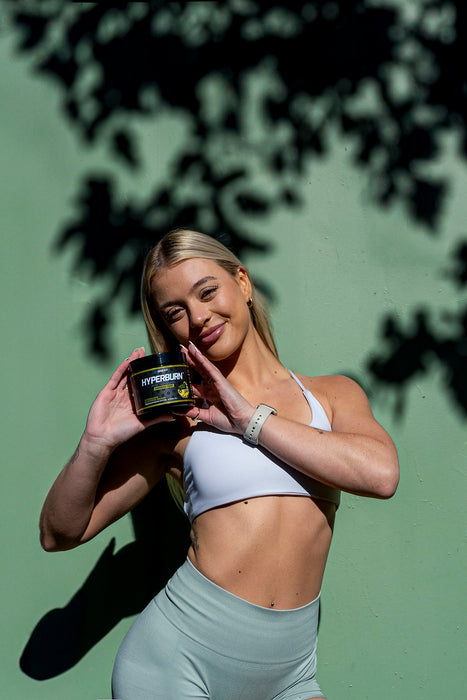
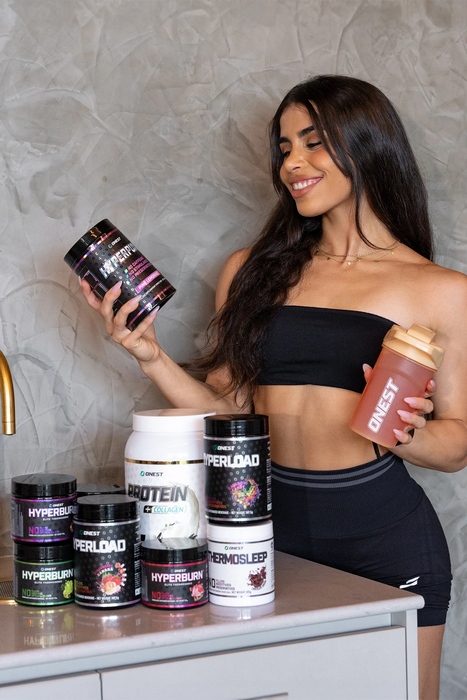
If you are looking at fat burners on the market, ONEST Hyperburn uses a combination of these evidence-backed caffeine forms alongside complementary thermogenic ingredients. For people who train in the evening or are caffeine-sensitive, Hyperburn Caffeine-Free delivers the thermogenic stack without the stimulant load. For overnight support, Thermosleep is the night-time option taken before bed.
How much caffeine per day is safe and effective for weight loss
Food Standards Australia New Zealand (FSANZ) and most international health authorities align on a safe caffeine limit of 400 mg per day for healthy adults. Pregnant women are advised to stay under 200 mg. Above 400 mg, the risk of side effects including increased heart rate, anxiety, insomnia, and digestive distress rises noticeably.
For fat loss, research suggests meaningful effects on metabolic rate and lipolysis start at around 3-6 mg per kg of bodyweight. For a 70 kg person that is roughly 210-420 mg across the day. There is a diminishing return above 400 mg, and for habituated caffeine users, tolerance blunts the metabolic effect. Cycling caffeine or taking periodic breaks of 10-14 days helps restore sensitivity.
Practical example: A 68 kg woman training four days per week might use 200 mg from a morning serving of Hyperburn, 80-100 mg from a midday coffee, and stop all caffeine by 2 pm. That keeps her well under the 400 mg threshold, preserves sleep quality, and times the thermogenic peak around her most active part of the day.
Dangerous caffeine doses start above 1,000 mg in a single sitting for most adults. Doses above this can cause heart palpitations, vomiting, and in extreme cases seizures. Pure caffeine powder sold in bulk is particularly risky because the margin between an effective dose and a toxic one is small. The warning signs to watch: racing heart at rest, chest tightness, severe headache, confusion, or tremors. Stop use and seek medical attention if any of these appear.
Comparing types of caffeine for weight loss: a practical summary
No single caffeine source is universally best. The right choice depends on your tolerance, training schedule, and what else you want from the drink or supplement.
For belly fat reduction specifically, green tea extract with EGCG has the strongest direct evidence. For pre-training energy and fat oxidation during exercise, caffeine anhydrous at a measured dose wins on speed and reliability. For daily dietary use without supplements, black coffee provides the most caffeine per calorie. For people who find coffee harsh on the gut or want a slower, smoother release, matcha or guarana-based supplements are practical alternatives.
Women asking about weight loss drink for females with caffeine are often specifically looking for something that works at moderate doses, does not cause anxiety, and fits around sleep. Matcha at 70 mg per serve or Hyperburn Caffeine-Free are both suited here. The goal is consistent daily caffeine intake that keeps you in the effective range (200-400 mg/day) without compromising sleep, because sleep disruption undermines fat loss through cortisol and appetite regulation.
If you want a structured approach beyond choosing the right supplement, a personalised meal plan through a body transformation program like NewU puts the nutrition, training, and supplementation together as a system rather than individual guesses.
FAQ
How many types of caffeine are there for weight loss?
There are two broad categories: natural caffeine from plant sources (coffee, green tea, matcha, guarana, yerba mate, oolong, black tea, kola nut) and synthetic or extracted caffeine (caffeine anhydrous, green tea extract capsules, pre-workout powders). Within natural sources, the co-factors like EGCG in green tea or chlorogenic acid in coffee add additional fat-metabolising mechanisms beyond caffeine itself.
What is the best caffeine source for losing belly fat?
Green tea extract with a high EGCG content has the most direct evidence for targeting fat oxidation, including abdominal fat. The combination of caffeine and epigallocatechin gallate in randomised controlled trials outperforms caffeine alone for fat loss. Black coffee is a close second for daily use given its chlorogenic acid content and zero calorie profile.
How much caffeine per day is safe for weight loss?
The widely accepted safe caffeine limit for healthy adults is 400 mg per day. For fat loss, effective doses in research sit between 3-6 mg per kg of bodyweight. For most adults that falls between 200-400 mg across the day. Spread your intake through the morning and early afternoon to avoid disrupting sleep.
What should women drink to lose weight with caffeine?
Matcha, green tea, and black coffee are the most practical daily options because they deliver caffeine alongside compounds that support fat metabolism at moderate doses. For a supplement option, Hyperburn Caffeine-Free suits women who are caffeine-sensitive or train later in the day. The priority is staying within the 200-400 mg daily range and maintaining sleep quality.
How much caffeine is dangerous?
Above 1,000 mg in a single dose poses serious health risks for most adults, including heart palpitations, vomiting, and seizures in severe cases. Regular daily intake above 400 mg increases the risk of anxiety, sleep disruption, and elevated heart rate. Pure powdered caffeine is the highest-risk form because small measurement errors can produce toxic doses.
Can you lose belly fat in one week with caffeinated drinks?
Meaningful changes to body fat take longer than one week. Caffeine can increase fat oxidation and energy expenditure from day one, but visible reductions in abdominal fat require a sustained calorie deficit over weeks. A week of optimised caffeine intake alongside a calorie deficit and training will move you in the right direction, but it will not produce dramatic results on its own.
Is black coffee effective for a 7-day weight loss plan?
Black coffee is one of the most calorie-efficient caffeine sources available. Two to three cups per day within a 7-day plan can raise resting energy expenditure and support appetite control, particularly when consumed before training. It will not replace a calorie deficit, but it is a practical daily tool with strong evidence behind it.
How did Kelly Clarkson lose weight so fast?
Kelly Clarkson has publicly attributed her weight loss primarily to dietary changes, including following the Plant Paradox protocol, not caffeine or supplements. Any fast-appearing weight loss result is typically the product of a structured nutrition plan, consistent activity, and time, not a single ingredient.
Browse ONEST's range of evidence-based fat burners at onesthealth.com.au and find the caffeine form that fits your schedule.
Shop ONEST