




FAT BURNER SIDE EFFECTS
Jitters, a racing heart, dry mouth, broken sleep: some fat burner side effects are mild and manageable. Others mean stop immediately. Here's how to tell the difference.

Opening
Most fat burner side effects are mild, dose-related, and easy to manage with the right timing and hydration. A small number are genuine red flags that mean stop now and see a doctor. This article covers both, clearly, so you can tell the difference.
Before getting into specifics, it helps to understand what these products actually do. Thermogenic fat burners work by stimulating the central nervous system, raising metabolic rate, and increasing calorie burn at rest and during exercise. That mechanism is also why most side effects exist. If you're still deciding which format suits you, the thermogenic vs non-stim fat burner guide is a good starting point. Are fat burners safe? For most healthy adults, yes — with the right dose, timing, and awareness of your own limits.
Mild and normal (often dose-related)
These thermogenic side effects show up for a significant proportion of users at standard doses. They are not signs something is wrong. They are signs the formula is working, and that your dose may be sitting at the upper edge of your personal tolerance.
Fat burner jitters or a twitchy feeling. This is mild overstimulation from caffeine and adrenergic compounds. It typically means your dose is slightly high for your body weight or caffeine sensitivity. Drop to half-dose for a week, then reassess.
Mild heart rate elevation. An increase of 5 to 15 bpm above your resting heart rate is expected and harmless in healthy adults. It reflects the thermogenic effect on your cardiovascular system. If your resting HR is normally 60 and it sits at 70 to 75 during the active window of the supplement, that's normal physiology.
Dry mouth and increased thirst. Caffeine and adrenergic compounds reduce salivation. The fix is simple: aim for at least 35 ml of water per kilogram of bodyweight per day, and add more on training days. A 75 kg person needs a minimum of 2.6 litres.
Mild appetite suppression. This is part of the intended effect of most thermogenics. It only becomes a problem if it stops you hitting your protein target. Track your intake and don't let appetite suppression become under-eating.
Increased sweating during training. Thermogenesis raises core temperature slightly, which increases sweat output. This is the formula working — not a sign of toxicity.
Mild insomnia if taken too late. Caffeine has a half-life of roughly 5 to 6 hours. See when to take a fat burner for the full timing breakdown. The short version: never take a stimulant-based fat burner within 6 hours of bedtime.
Less common but normal-ish
These fat burner side effects appear in a smaller proportion of users. They warrant attention but don't automatically mean you need to stop.
Headache. The most common cause is dehydration, not the supplement itself. Caffeine also causes a mild vasoconstrictive effect; when that wears off, a rebound headache is possible. Drink water first. If the headache persists across multiple doses, try a half-dose protocol for a week.
Irritability or a short fuse. This is often the interaction between caffeine stimulation and a calorie deficit. Both independently affect mood. Dropping your dose by half for 7 to 10 days usually resolves it. If it doesn't, a non-stim option is the better fit.
Gut sensitivity. Capsaicin and capsicum extracts can irritate the gastrointestinal tract in some users. Patented delivery forms like Capsimax use a beadlet system to reduce direct mucosal contact, which is why gut sensitivity is far less common with those forms. Take your supplement with food if gut discomfort occurs.
Generalised sweating outside of training. The thermogenic effect doesn't switch off the moment your session ends. Elevated core temperature can persist for 1 to 2 hours post-dose — not harmful, but worth knowing in warm climates.
Red flags (stop and see a doctor)
These are not "push through it" symptoms. They mean the formula or dose does not suit your physiology, and continuing carries real risk.
Stop immediately and consult a doctor if you experience: fat burner heart palpitations lasting more than one hour; chest pain, pressure, or tightness; a severe anxiety episode or panic attack; persistent insomnia across more than three consecutive nights despite correct timing; significant dizziness on standing; or an irregular heartbeat including skipped beats or fluttering.
Liver stress is the most serious long-term risk associated with some fat burning supplements. Hepatotoxicity, including cases of acute liver failure, has been documented in the literature — primarily with products containing high doses of green tea extract (EGCG), usnic acid, or undisclosed compounds. Warning signs include yellowing of the skin or eyes, dark urine, or persistent upper-right abdominal pain. These require urgent medical review, not a dose reduction.
Kidney stress can occur with chronic high stimulant use combined with inadequate hydration. Blood in urine, persistent lower back pain, or significantly reduced urine output are signals to stop and get checked.
A fat burner is never worth a cardiac event or liver injury. If symptoms concern you, stop the product, keep the packaging, and take both to your appointment.
Who shouldn't take fat burners
This is a hard list, not a suggestion list.
Pregnant or breastfeeding women. No thermogenic fat burner during pregnancy or breastfeeding. Caffeine and adrenergic compounds cross the placenta and enter breast milk. Non-negotiable.
Anyone under 18. Developing cardiovascular and endocrine systems respond differently to stimulant loads. Thermogenic formulations are not designed or tested for adolescents.
People on heart-rate or blood-pressure medication. The interaction risk is significant and poorly understood at the individual level. Talk to your prescribing doctor first.
Anyone with a history of cardiac issues: arrhythmia, prior myocardial infarction, cardiomyopathy, or any structural heart problem. Consult a specialist before any thermogenic.
MAOI users. Monoamine oxidase inhibitors interact seriously with adrenergic compounds including Bitter Orange and synephrine. This is a pharmacological contraindication, not a preference.
Uncontrolled hypertension or hyperthyroidism. A thermogenic adds a stimulant load on top of a system already running hot. The risk compounds.
People managing severe anxiety. Stimulant load reliably worsens anxiety symptoms in people who are already managing them.
If any of these apply to you, a non-stimulant fat burner may still be an option after speaking with your doctor. Check the stim sensitivity guide if you're unsure which category you fall into. Are fat burners safe for these groups? Not without medical clearance — and in some cases, not at all.
How to minimise side effects
Most fat burner side effects are preventable with basic protocol hygiene.
Start at half-dose for the first 7 days. Assess your tolerance before moving to the full serving. This single step eliminates the majority of first-week issues.
Time it correctly. Pre-training in the morning or early afternoon works for most people. The 6-hour cutoff before bed applies to any stimulant-containing product. See when to take a fat burner for more detail.
Hydrate consistently. Aim for 35 ml per kilogram of bodyweight as a floor, more on training days. Dehydration amplifies almost every side effect on this list.
Don't combine with a severe calorie deficit. A moderate deficit with adequate protein is much better tolerated than an aggressive one. The thermogenic does part of the work; the deficit doesn't need to be extreme.
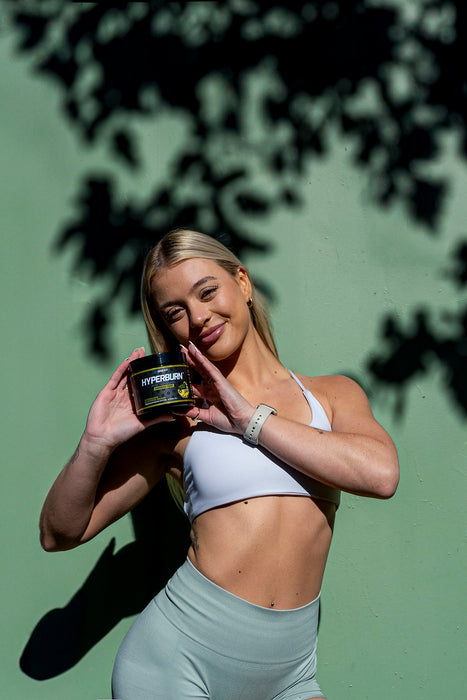
If you're sensitive even at half-dose, switch formats. Hyperburn Caffeine-Free delivers the same fat-loss supporting stack without central nervous system stimulation — and it's the right choice for anyone training late in the day who wants to protect their sleep.
Frequently asked questions
Can fat burners cause heart problems?
Stimulant-based fat burners raise heart rate and blood pressure modestly in healthy adults — this is expected and temporary. However, fat burner heart palpitations that persist, chest pain, or irregular heartbeat are red flags. Stop the product and see a doctor. Anyone with existing cardiac conditions or on heart medication should consult a doctor before starting any thermogenic.
Are jitters bad?
Fat burner jitters are not dangerous. They indicate you're at or near the upper edge of your stimulant tolerance. Drop to half-dose for a week and reassess. If jitters persist even at half-dose, a stimulant-free option is the better fit for your physiology.
What if I get a headache from my fat burner?
The most common cause is dehydration. Increase your water intake first. Caffeine also produces a mild rebound headache when it clears your system. If the headache is severe, persists across multiple days, or comes with other symptoms, stop the product and speak to a doctor.
How long do fat burner side effects last?
Mild effects like fat burner jitters, elevated heart rate, and dry mouth typically resolve within 3 to 5 hours as active compounds clear your system. First-week effects often settle after 5 to 7 days as your body adapts. Persistent effects beyond two weeks — or any red-flag symptoms at any point — are a signal to stop and get checked.
CTA
If stimulant sensitivity is a concern, Hyperburn Caffeine-Free is built for you. Still deciding between formats? The thermogenic vs non-stim fat burner guide will help you land on the right choice.
If stimulant side effects are the reason you've avoided fat burners, Hyperburn Caffeine-Free gives you the full thermogenic stack without the central nervous system load. Not sure which suits you? The stim sensitivity guide walks you through the self-assessment.
Shop ONEST